Concrete Surfaces That Handle Heavy Use
Concrete Sealing & Coatings in Cincinnati for driveways, patios, garage floors, and commercial spaces where durability and stain resistance matter
Unsealed concrete absorbs oil, water, and chemicals through its porous surface, leading to staining that won't wash out, freeze-thaw cracking as trapped moisture expands, and surface erosion that creates a rough, dusting texture. CAW Painting and Preservation applies penetrating sealers and film-forming coatings in Cincinnati to fill those pores and create a barrier that extends the lifespan of concrete surfaces by preventing the moisture intrusion that causes most failure patterns. This service is essential for garage floors exposed to automotive fluids, exterior slabs that endure weather cycles, and commercial spaces where appearance and slip resistance affect safety and property value.
The application process includes pressure washing to remove dirt and efflorescence, acid etching or mechanical grinding to open the concrete's pores for sealer penetration, and product application using rollers or sprayers depending on whether you're using a penetrating sealer or a topical coating. Penetrating sealers soak into the concrete and react chemically to fill voids without changing surface appearance, while epoxy and polyurethane coatings form a thick film on top that adds color, chemical resistance, and impact protection.
Request a site visit to evaluate your concrete's current condition and determine which coating system matches your use requirements.
What Changes After Concrete Is Sealed
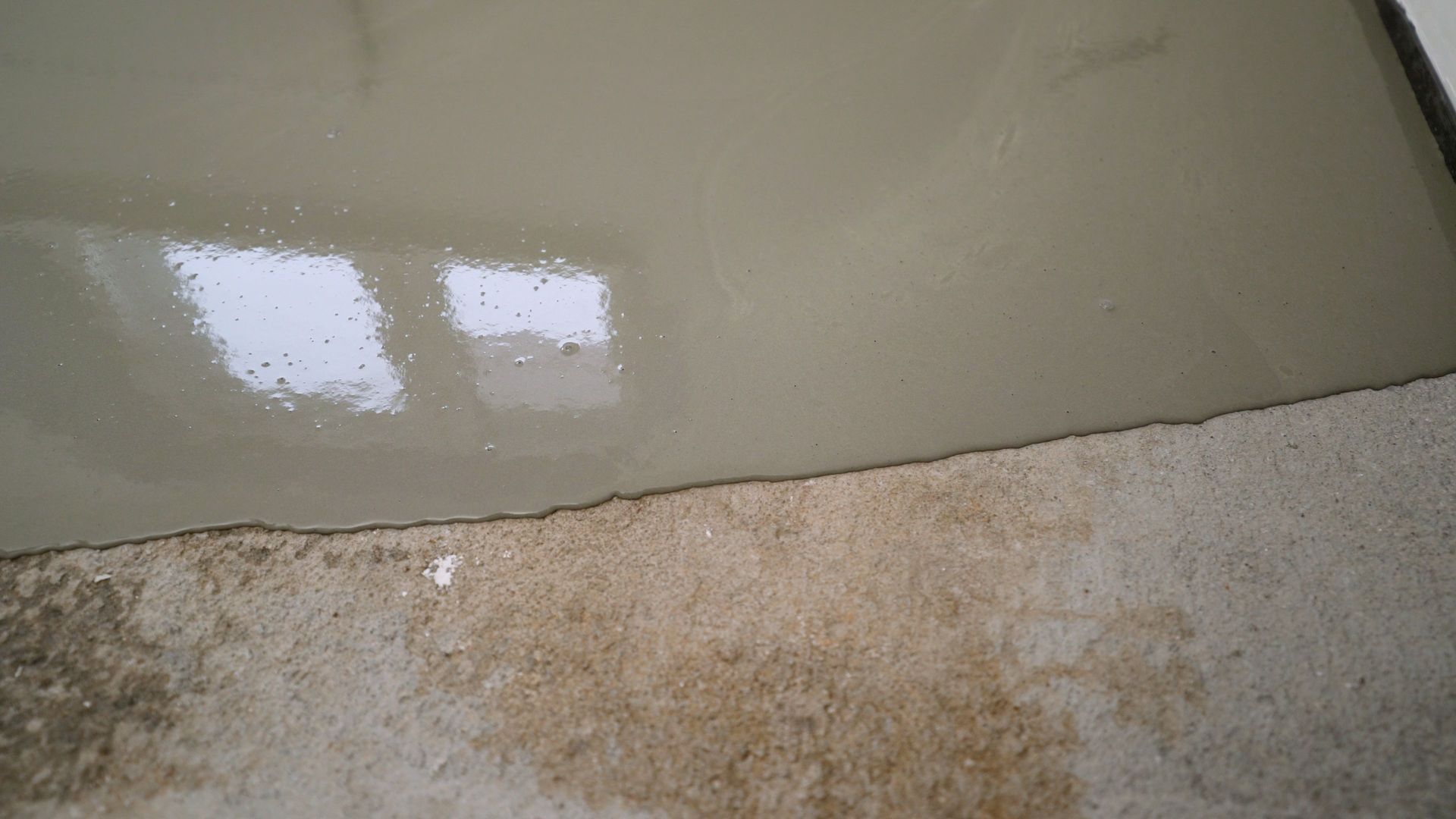
Sealers and coatings change how liquids interact with the concrete surface—water, oil, and chemicals bead up instead of soaking in, which prevents staining and reduces the freeze-thaw damage that causes spalling and cracking. Epoxy coatings add a hard, abrasion-resistant layer that protects against impacts from dropped tools, vehicle traffic, and dragged equipment. Polyurethane topcoats resist UV yellowing and provide slip resistance through textured additives, making them suitable for outdoor applications where sunlight exposure would degrade other coatings.
After sealing or coating, the surface stays cleaner because contaminants don't embed in the pores—oil spills wipe away instead of leaving permanent stains, dirt and dust sweep off easily, and mold doesn't take hold in damp areas. The concrete stops producing surface dust from erosion, colors stay uniform without the blotchy discoloration caused by water absorption, and the surface remains smooth rather than developing the rough, pitted texture that comes from freeze-thaw cycles. Coated garage floors resist hot tire pickup, where uncured concrete sticks to tires and pulls away from the slab.
The coating doesn't repair existing cracks or structural issues—those require patching or resurfacing before sealer application. Durability depends on surface preparation quality, product type, and traffic levels, with residential garage floors typically lasting five to ten years and high-traffic commercial areas needing recoating every three to five years.
Questions Before Starting Your Project
Concrete sealing projects involve product choices and preparation steps that directly affect performance. These answers address what to expect and how to evaluate quality work.
What's the difference between penetrating sealers and epoxy coatings?
Penetrating sealers soak into the concrete and protect from within without changing appearance or adding surface build, while epoxy coatings form a thick, colored film on top that provides chemical and impact resistance but requires more surface prep and has a distinct glossy finish.
How long does concrete sealing last before reapplication is needed?
Penetrating sealers typically last five to ten years depending on exposure and traffic, while epoxy and polyurethane coatings in garage settings last seven to fifteen years before wear patterns require recoating of high-traffic lanes.
Why is surface preparation critical for coating adhesion?
Concrete must be clean, dry, and properly profiled through etching or grinding so the coating can bond chemically and mechanically—contaminants like oil or curing agents create a barrier that causes coatings to peel within months if not removed.
What should I expect during the curing period after coating application?
Most epoxy systems require twenty-four to forty-eight hours before foot traffic and seventy-two hours to seven days before vehicle traffic, depending on temperature and humidity levels in Cincinnati during application—rushing this timeline leads to surface marring and premature wear.
How do I choose between clear sealers and pigmented coatings for my garage floor?
Clear penetrating sealers maintain the natural concrete look while providing stain resistance, while pigmented epoxy or polyurethane coatings hide existing discoloration, add decorative flake or metallic effects, and offer higher chemical and abrasion resistance for heavily used spaces.
CAW Painting and Preservation evaluates concrete porosity, existing stains, and traffic patterns before recommending sealing or coating systems. Arrange a floor assessment to discuss product options and see samples of finish types that fit your space and usage.