Structures Protected from Water Intrusion
Waterproofing Services in Cincinnati for basements, foundations, exterior walls, and surfaces where moisture penetration threatens structural integrity
Water intrusion through foundation walls, below-grade surfaces, and improperly sealed exteriors leads to mold growth, wood rot, drywall deterioration, and structural damage that compounds over time as moisture moves through porous materials. You need waterproofing when you notice discoloration on basement walls, musty odors indicating mold colonization, peeling paint caused by moisture pushing through from behind, or visible efflorescence where mineral deposits form as water evaporates from masonry. CAW Painting and Preservation applies waterproofing systems in Cincinnati that address both surface water and hydrostatic pressure, stopping moisture before it reaches interior spaces.
The waterproofing process varies based on whether the issue is surface water that runs along walls, capillary action that pulls moisture through porous concrete, or hydrostatic pressure from groundwater pushing against foundation walls. Surface treatments include elastomeric coatings that bridge hairline cracks and sealants that fill gaps at joints, while membrane systems create continuous barriers that stop water movement entirely. Interior basement waterproofing often involves applying crystalline sealers that react with concrete to form water-blocking crystals deep within the substrate, preventing moisture transmission without requiring excavation.
Schedule a moisture evaluation to determine where water enters your structure and what waterproofing approach addresses the specific failure point.
Why Waterproofing Prevents Costly Damage
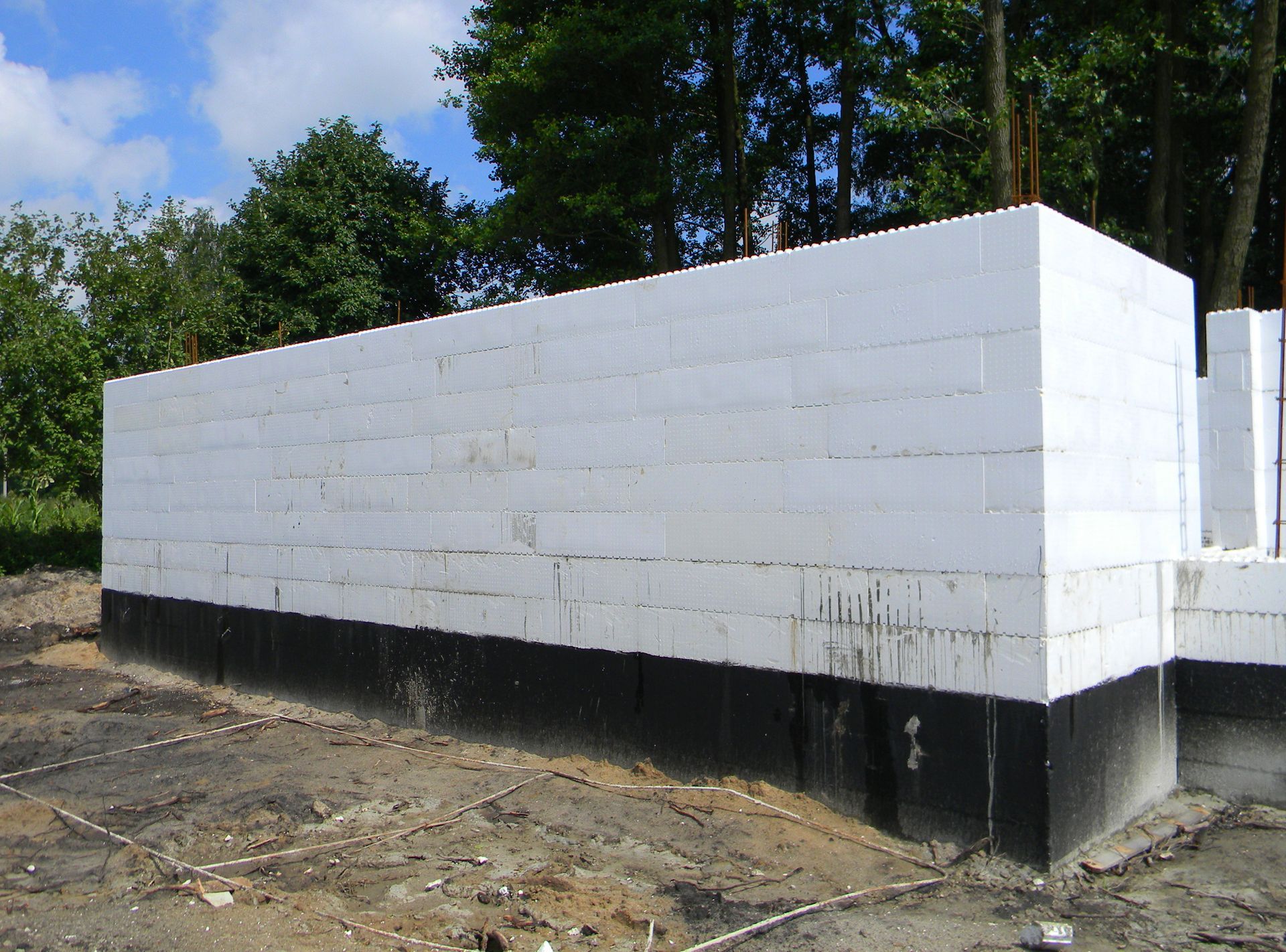
Waterproofing stops damage by eliminating the moisture that allows mold spores to germinate, wood to rot, and concrete to degrade through freeze-thaw cycles where absorbed water expands and cracks the material. Basement waterproofing prevents the ninety-percent-plus humidity levels that cause condensation on cold surfaces, which leads to mold on stored items, rusted metal fixtures, and that characteristic musty smell that indicates active microbial growth. Exterior waterproofing extends the functional life of foundations by stopping sulfate and chloride intrusion that chemically attacks concrete and corrodes embedded rebar.
Once waterproofing is in place, you'll see walls stay dry during heavy rain instead of developing damp spots, stored items in basements remain free of mildew and moisture damage, and paint no longer bubbles or peels from trapped moisture pushing outward. Interior humidity levels drop to normal ranges, eliminating the conditions that support mold growth, and you won't smell the musty odor that indicates active water intrusion. Properly waterproofed basements become usable living or storage space rather than damp areas where nothing can be kept safely.
Waterproofing addresses moisture intrusion but doesn't repair existing structural damage caused by long-term water exposure—rotted framing, corroded rebar, or severely spalled concrete may require replacement before waterproofing systems are applied. Effectiveness also depends on proper drainage around the structure, since waterproofing alone can't overcome ongoing water accumulation from clogged gutters or poor site grading.
Answers to Frequent Service Questions
Waterproofing projects involve diagnosing moisture sources and selecting systems that match the specific failure pattern. These answers clarify what the service includes and what results to expect.
What are early warning signs that waterproofing is needed?
Discoloration or water stains on basement walls, white mineral deposits forming on masonry surfaces, peeling paint or bubbling wall coverings, musty odors even when surfaces appear dry, or visible mold growth in corners and along baseboards all indicate moisture intrusion.
How does waterproofing differ from standard sealing or painting?
Waterproofing creates an impermeable barrier designed to stop water under pressure, while sealing reduces absorption but allows some vapor transmission, and painting provides only surface protection without addressing moisture that moves through the substrate from behind.
What waterproofing methods work for different situations?
Surface coatings handle minor seepage and dampness, membrane systems stop bulk water intrusion on exterior walls, and crystalline treatments penetrate deep into concrete to block capillary water movement—your situation determines which approach addresses the actual source.
Why do some waterproofing treatments fail within a few years?
Application over dirty or damp surfaces prevents proper adhesion, using the wrong product for the type of moisture problem doesn't address the actual intrusion mechanism, or ignoring drainage issues means water pressure eventually overwhelms even properly applied systems.
How long does professional waterproofing last in Cincinnati's climate?
Exterior membrane systems typically last twenty to thirty years, elastomeric coatings require reapplication every ten to fifteen years, and crystalline interior treatments remain effective for the life of the structure as long as the concrete stays intact—freeze-thaw cycles and hydrostatic pressure affect longevity.
CAW Painting and Preservation inspects moisture sources and tests wall conditions before recommending waterproofing systems matched to your specific intrusion pattern. Contact us to assess where water enters your structure and what treatment stops it effectively without requiring unnecessary excavation or invasive work.