Walls and Details Built to Last
Drywall & Trim Work in Cincinnati for smooth surfaces and precise finish carpentry that improve paint quality
CAW Painting and Preservation provides drywall and trim work in Cincinnati for properties where clean lines and smooth surfaces determine the success of every finished room. You need this service when walls show damage, when trim details are missing or poorly installed, or before any painting project where surface quality directly affects the final appearance. Poor drywall preparation creates visible imperfections under paint, and trim installed without attention to joinery shows gaps that no amount of caulk can hide properly.
This service addresses the structural foundation of interior finishes through drywall patching, full installation, texturing to match existing patterns, and the installation of baseboards, crown molding, and custom trim details. Each step removes the surface flaws that prevent paint from adhering evenly and creates the crisp edges that define professional carpentry work.
Schedule a walkthrough to evaluate wall condition and identify which surfaces need repair before finishing work begins.
Why Surface Preparation Determines Paint Performance
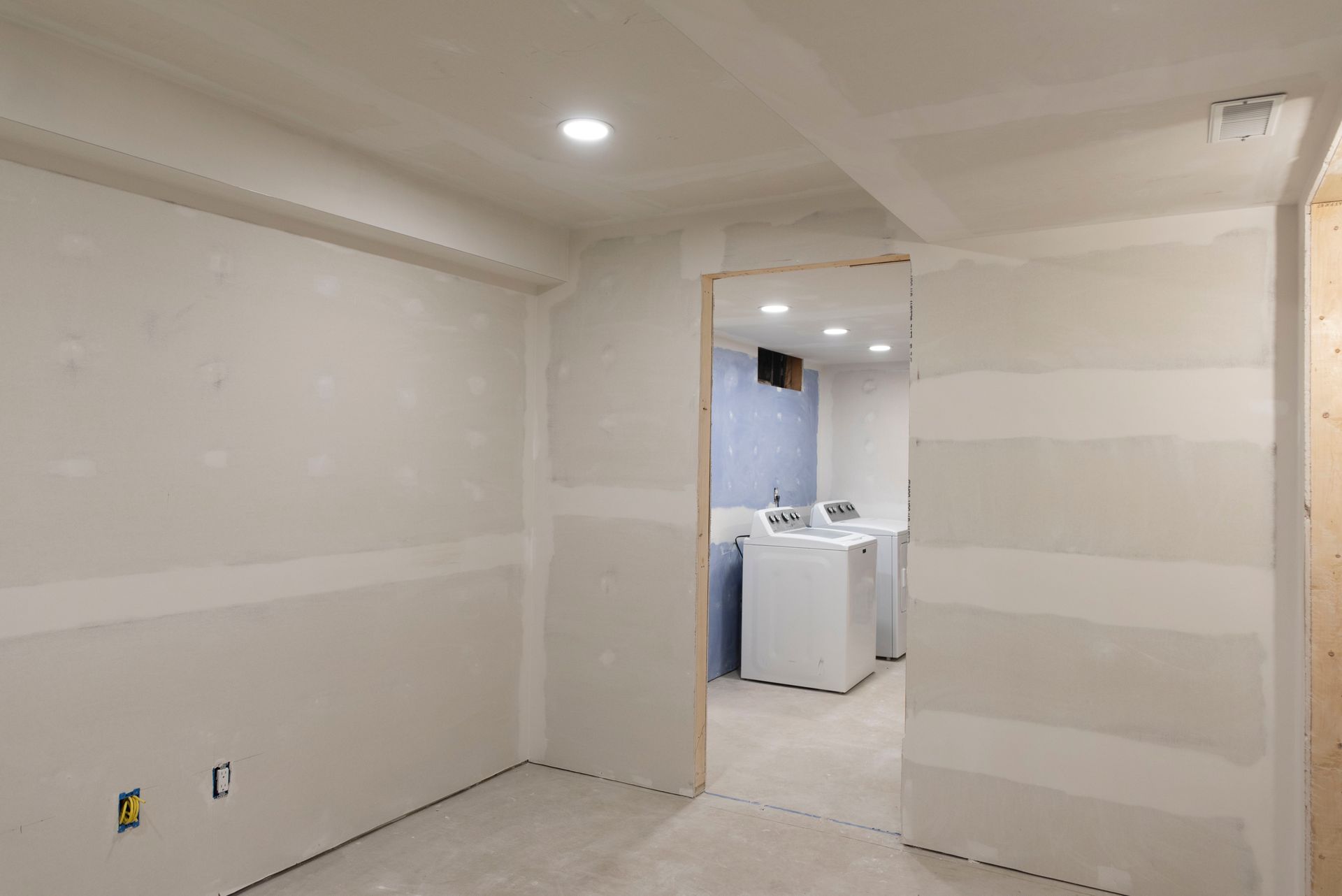
Drywall and trim work involve more than covering studs or adding decorative molding—the process requires joint compound application that dries flat without ridges, sanding that removes texture inconsistencies without creating low spots, and wood trim cut to fit tightly at inside and outside corners. Each surface gets inspected under angled light to reveal imperfections invisible under overhead fixtures, because paint amplifies every flaw instead of hiding it.
After this work finishes, you notice walls that feel smooth when you run your hand across them, trim joints that meet without visible gaps, and paint that reflects light evenly instead of showing shadows where drywall tape wasn't feathered correctly. Baseboards sit flush against walls without rocking, and crown molding follows ceiling lines without dips that indicate poor backing or measurement errors.
The service includes drywall installation on new framing, patching holes and cracks in existing walls, matching knockdown or orange peel textures, and installing paint-grade or stain-grade trim depending on the finish plan. It does not include structural framing repairs or corrections to out-of-plumb walls that require demolition and rebuilding, which fall outside finish carpentry scope.
Questions About Preparing Walls and Installing Trim
Property owners in Cincinnati often ask how drywall and trim work connects to paint quality and what determines whether existing surfaces can be repaired or need replacement.
What makes drywall repair different from patching small holes?
Repair work involves cutting back to solid material, installing backer boards for structural support, applying multiple coats of joint compound with drying time between layers, and sanding to blend the patch invisibly into surrounding surfaces, while small patching uses spackle that works only for shallow damage.
How does trim installation affect the finished appearance of a room?
Trim installed with tight miters, consistent reveals, and proper nail placement creates clean lines that guide the eye and frame painted surfaces, while poorly fitted trim shows gaps that collect dust and create shadow lines no amount of caulking fully corrects.
When should drywall texture be matched versus left smooth?
Texture matching maintains visual consistency in rooms where only part of the wall gets repaired, but smooth finishes work better in spaces being fully renovated or where modern design calls for clean, flat surfaces without pattern.
What impacts the cost of drywall and trim projects?
Material selection between paint-grade MDF and solid wood trim, the extent of damage requiring repair, ceiling height affecting labor and material waste, and whether textures need custom matching all influence project scope and pricing.
Why does drywall work need to happen before painting?
Joint compound requires complete drying before primer application, sanding creates dust that contaminates wet paint, and any surface irregularities become permanent once topcoats seal them in, making proper sequencing essential for quality results.
CAW Painting and Preservation completes drywall and trim installations that create the smooth, precise surfaces required for professional paint finishes. Request an estimate that includes surface evaluation and preparation requirements specific to your project scope.