Exteriors That Hold Up Through Every Season
Exterior painting services for Cincinnati homes that need full coverage, lasting protection, and finishes built to handle local weather.
Your home's exterior in Cincinnati takes direct hits from summer humidity, winter freeze cycles, and everything in between, which is why paint fails faster here than in drier climates. When you start seeing peeling near the roofline or chalking on the siding, it means the coating has stopped protecting the material underneath, and waiting too long can lead to wood rot or water intrusion that costs far more to fix.
CAW Painting and Preservation handles full exterior house painting that includes siding, brick, stucco, and trim using weather-resistant coatings designed to hold up under local conditions. The process starts with pressure washing to remove dirt, mildew, and loose paint, followed by surface prep that addresses cracks, gaps, and areas where caulking has failed. The crew applies durable finishes that bond properly and seal out moisture, which keeps your home looking consistent and protected while also increasing property value.
If your Cincinnati home needs exterior work that lasts longer than a few seasons, contact CAW Painting and Preservation to go over the scope and schedule a walkthrough.
How the Work Gets Done and What It Protects
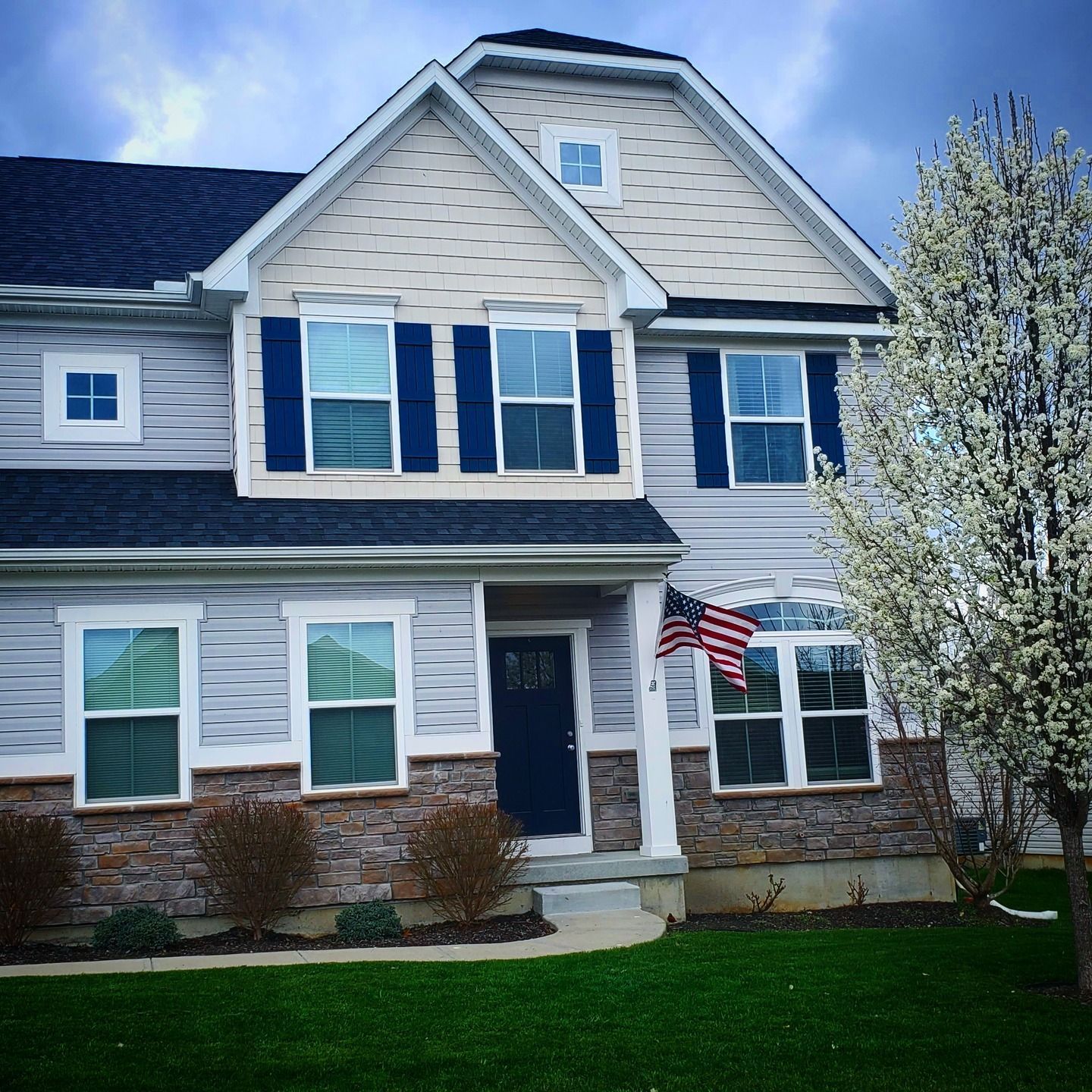
The job begins with pressure washing every exterior surface to remove buildup that prevents paint from adhering correctly. In Cincinnati, this step often reveals mildew stains on north-facing walls or dirt embedded in textured siding that regular rinsing does not touch. Once the surface is clean and dry, the crew scrapes loose paint, fills cracks, and applies caulking around windows, doors, and trim joints to seal out water.
After the work is complete, your home will have a uniform finish that does not show streaks, lap marks, or missed spots, and trim will stand out cleanly against the main color. The coating forms a protective barrier that sheds water instead of absorbing it, which prevents wood from swelling or rotting and keeps siding from warping over time.
Weather-resistant paints are formulated to resist fading from UV exposure and cracking from temperature swings, so the finish stays intact through multiple seasons. The crew works section by section to avoid leaving any area exposed, and all materials are removed once the final coat is dry and inspected.
What Homeowners Usually Want to Know First
Before scheduling exterior painting in Cincinnati, most homeowners ask about timing, weather delays, and how long the finish will hold up, so here are clear answers to those concerns.
How long does it take to paint a full house exterior?
Most homes take three to five days depending on size, siding type, and how much prep work is needed. Larger homes or those with extensive trim detail may take longer.
What happens if it rains during the project?
The crew monitors the forecast closely and will not apply paint if rain is expected within 24 hours. If weather delays occur, work resumes as soon as surfaces are dry enough to coat safely.
How often should exterior paint be redone?
Most exterior finishes last seven to ten years in Cincinnati depending on sun exposure, surface type, and the quality of the previous prep work. Homes with south or west-facing walls may need touch-ups sooner.
What kind of paint is used on brick or stucco?
Masonry surfaces require breathable coatings that allow moisture to escape without trapping it behind the paint. The crew uses products designed specifically for brick and stucco to prevent peeling or bubbling.
Will the crew cover landscaping and outdoor furniture?
Yes, everything near the work area is covered or moved to prevent overspray or drips. Drop cloths and plastic sheeting protect plants, walkways, and anything else that could be affected.
CAW Painting and Preservation works with Cincinnati homeowners who want their exteriors to look sharp and stay protected without dealing with recurring problems a few years down the line. If you are ready to move forward or need a detailed estimate, get in touch to set up a time to review your home's exterior.
Complete Exterior Painting for Cincinnati Homes
Exterior painting is more than changing the color of your home. A properly completed exterior painting project helps protect siding, trim, masonry, and other exposed materials from moisture, sunlight, temperature changes, mildew, and normal deterioration.
CAW Painting and Preservation provides exterior house painting services for homeowners throughout Cincinnati and surrounding communities. Our team evaluates the condition of each surface, identifies areas that need repair or additional preparation, and applies coatings selected for the material being painted.
We can paint and restore many of the exterior surfaces found on homes throughout the Cincinnati area, including:
- Wood siding
- Fiber cement siding
- Aluminum siding
- Vinyl siding when appropriate
- Brick and masonry
- Stucco
- Exterior trim
- Fascia and soffits
- Window and door trim
- Porch ceilings
- Columns and railings
- Shutters
- Garage doors
- Exterior doors
- Detached garages and outbuildings
Every property is different. The age of the home, previous coatings, moisture exposure, sun exposure, and condition of the underlying material all influence how the project should be prepared and completed.
Exterior Painting for Different Siding and Masonry Surfaces
Wood Siding and Exterior Trim
Wood must be properly cleaned, dried, scraped, sanded, caulked, and primed before it is painted. Areas with exposed wood, cracking paint, open joints, or moisture damage require additional attention to prevent water from entering the material.
CAW Painting and Preservation inspects wood siding, fascia, soffits, window trim, door trim, columns, and other exterior woodwork before coating begins. Loose coatings are removed, bare areas are primed, and failed caulking is replaced where necessary.
Brick and Masonry Painting
Brick and masonry must be able to release moisture. Applying the wrong coating can trap moisture beneath the surface and contribute to bubbling, peeling, or masonry deterioration.
Our team evaluates the condition of the brick, mortar joints, and existing coatings before recommending a painting system. When brick painting is appropriate, we use products designed for masonry surfaces and prepare the material to promote proper adhesion and breathability.
Stucco Painting
Stucco can develop hairline cracks, stains, fading, and uneven areas over time. Before painting, the surface must be cleaned and damaged areas must be addressed. Coatings selected for stucco should accommodate the texture and natural movement of the material.
Aluminum and Other Siding
Older aluminum siding can become chalky, faded, or uneven even when the panels remain structurally sound. Thorough washing and proper preparation can create a stable surface for a new finish.
Before painting any siding material, we determine whether the existing surface is suitable for coating and explain any repairs or preparation that should be completed first.
What Professional Exterior Painting Preparation Includes
The quality of an exterior paint job depends heavily on the preparation completed before the first finish coat is applied. Paint cannot correct loose coatings, failing caulk, dirt, mildew, damaged wood, or moisture problems on its own.
Our exterior painting preparation process may include:
Exterior Inspection
We begin by evaluating the siding, trim, masonry, caulking, joints, previous coatings, and areas that receive heavy sun or moisture exposure. This helps identify problems that could affect the new finish.
Pressure Washing and Surface Cleaning
Exterior surfaces are cleaned to remove dirt, mildew, chalking, pollen, cobwebs, and other buildup that can interfere with paint adhesion. The surface is then given time to dry before additional preparation begins.
Scraping and Sanding
Loose, flaking, or peeling paint is removed. Rough transitions and failing edges are sanded where necessary to create a more stable surface for primer and paint.
Caulking and Gap Sealing
Failed caulking around windows, doors, trim joints, penetrations, and other vulnerable areas is removed or repaired where appropriate. Sealing these gaps helps limit water intrusion and improves the appearance of the finished project.
Minor Surface Repairs
Small cracks, nail holes, damaged trim areas, and other minor imperfections may be repaired as part of the preparation process. More extensive rot, siding failure, or structural damage will be discussed before painting begins.
Spot Priming and Full Priming
Bare wood, repaired areas, stains, chalky surfaces, and certain previously coated materials may require primer. The specific primer and application method depend on the condition and material of the surface.
Property Protection
Landscaping, walkways, roofing, windows, outdoor furniture, lighting, and nearby surfaces are covered or moved as needed. Our goal is to complete the work while protecting the surrounding property from paint, debris, and overspray.
Preparation is not simply an extra step. It is what allows the coating to bond properly, look consistent, and provide longer-lasting protection.
Exterior Paint Designed for Cincinnati Weather
Cincinnati homes experience humid summers, strong sunlight, rain, freezing temperatures, and repeated freeze-thaw cycles. These conditions can place significant stress on exterior coatings and building materials.
During warm weather, UV exposure can cause colors to fade and coatings to become brittle. Humidity and shaded conditions can contribute to mildew and moisture buildup. During winter, moisture that enters cracks or unsealed joints can freeze, expand, and further damage the surrounding material.
A durable exterior painting system must address more than appearance. It should help:
- Limit moisture penetration
- Reduce premature peeling and cracking
- Protect exposed wood
- Seal vulnerable joints
- Resist fading from sunlight
- Maintain adhesion through temperature changes
- Make routine exterior maintenance easier
Most professionally prepared exterior finishes can last approximately seven to ten years, although actual performance depends on the surface, sun exposure, moisture conditions, previous coatings, paint system, and maintenance. South-facing and west-facing surfaces often experience faster fading because they receive more direct sunlight. The existing page currently addresses this general seven-to-ten-year range, making it a useful point to reinforce through a more detailed climate section.
Signs Your Home May Need Exterior Painting
Exterior coating failure often begins in small areas before it becomes visible across the entire home. Addressing these warning signs early can help protect the material beneath the paint and reduce the likelihood of more extensive repairs.
Contact CAW Painting and Preservation when you notice:
- Peeling, cracking, or flaking paint
- Chalky residue on the siding
- Faded or uneven color
- Exposed or weathered wood
- Failed caulking around windows and doors
- Moisture stains
- Mildew or recurring discoloration
- Bubbling or blistering paint
- Hairline cracks in stucco
- Paint pulling away from brick or masonry
- Soft, damaged, or deteriorating trim
- Gaps around exterior joints
- Bare areas near the roofline
- Previous repairs that no longer match
An exterior that has not been painted in several years
Peeling paint can allow moisture to reach the siding or woodwork underneath. What begins as a cosmetic problem may eventually contribute to swelling, rot, staining, or more expensive exterior repairs.
Our Exterior House Painting Process
Homeowners should know what will happen before work begins, while the crew is on the property, and after the project is completed.
1. Exterior Evaluation
We review the areas you want painted, inspect the condition of the surfaces, discuss color preferences, and identify preparation or repair concerns.
2. Written Project Scope
The estimate outlines the surfaces being painted, expected preparation, proposed coating system, and other project-specific details. This gives you a clear understanding of what is included.
3. Color and Finish Planning
We discuss the primary body color, trim, doors, shutters, accents, and other features included in the project. The existing architecture, roofing, masonry, surrounding properties, and desired style can all influence the final selections.
4. Washing and Preparation
Surfaces are cleaned and allowed to dry. Loose paint is scraped, failed caulking is addressed, damaged areas are prepared, and bare or repaired surfaces are primed as needed.
5. Property Protection
Plants, walkways, windows, fixtures, roofing, and nearby items are protected before painting begins. Outdoor furniture and decorations may need to be moved away from the work area.
6. Paint Application
Paint is applied using the method best suited to the surface and project. This may include brushing, rolling, spraying, or a combination of techniques. The crew works systematically to achieve consistent coverage and clean transitions.
7. Detail Work and Inspection
Trim lines, edges, doors, shutters, joints, and other detailed areas are reviewed. Touch-ups are completed where needed, and the work is inspected before cleanup.
8. Cleanup and Final Walkthrough
Protective materials and project debris are removed. The completed exterior is reviewed so that any remaining questions or final details can be addressed.
Exterior Paint Color Planning
Choosing exterior colors involves more than selecting a favorite shade. The roof, brick, stone, landscaping, neighboring homes, architectural style, and amount of sunlight can all affect how a color appears.
CAW Painting and Preservation can help homeowners think through combinations for:
- Main siding colors
- Exterior trim
- Front doors
- Garage doors
- Shutters
- Porch ceilings
- Columns
- Fascia and soffits
- Brick or masonry accents
Lighter colors can help a home feel larger and brighter, while deeper colors can emphasize architectural details and create contrast. Neutral combinations often provide broad appeal, while carefully selected accent colors can add character without overwhelming the exterior.
Because colors can appear different in morning light, afternoon sun, shade, and cloudy conditions, homeowners should review samples on the actual property before finalizing the selection.
Painting That Protects More Than Appearance
CAW Painting and Preservation approaches exterior painting as both a visual improvement and a property preservation service.
The paint film acts as a barrier between the exterior material and the surrounding environment. When the coating, caulking, and preparation work together correctly, they can help reduce the amount of moisture that reaches vulnerable wood, trim joints, and siding.
Professional exterior painting may help:
- Protect siding and trim from weather exposure
- Reduce moisture entry through small gaps
- Slow deterioration of exposed wood
- Improve the appearance of older exterior materials
- Create more consistent color across repaired areas
- Make mildew and surface buildup easier to identify
- Support the long-term maintenance of the property
- Improve curb appeal before listing or refinancing
- Refresh an outdated or heavily faded exterior
Painting cannot repair hidden structural damage or eliminate an active moisture source. When we identify areas that may need carpentry, siding, roofing, gutter, or water-management attention, those concerns should be addressed so the new finish is not applied over an unresolved problem.
Why Cincinnati Homeowners Choose CAW Painting and Preservation
Exterior painting requires careful planning, extensive preparation, and an understanding of how local weather affects different building materials.
Homeowners choose CAW Painting and Preservation because we focus on:
Detailed Surface Preparation
We do not treat preparation as an afterthought. Cleaning, scraping, sanding, caulking, priming, and protecting the surrounding property are essential parts of creating a durable result.
Material-Specific Solutions
Wood, brick, stucco, trim, and siding do not all require the same coating system. We evaluate the surface before recommending the preparation and products for the project.
Property Protection
Landscaping, windows, walkways, roofing, outdoor features, and nearby surfaces are protected while the work is underway.
Clear Project Communication
We review the project scope, preparation requirements, scheduling considerations, and weather conditions so homeowners understand what to expect.
Local Weather Knowledge
We understand the challenges created by Cincinnati humidity, rainfall, sun exposure, and winter freeze-thaw cycles.
Painting and Preservation Experience
Because CAW provides painting, surface preservation, wood protection, waterproofing, remodeling, siding, gutter, and roofing-related services, the team can evaluate exterior concerns beyond color alone. The company’s website currently lists these related service categories, which supports a broader property-protection position.
Exterior Painting Throughout Greater Cincinnati
CAW Painting and Preservation provides exterior painting services in Cincinnati and surrounding communities in Ohio and Northern Kentucky.
Our service area includes:
- Cincinnati
- Anderson Township
- Milford
- Mason
- Fairfield
- Loveland
- Blue Ash
- Montgomery
- West Chester
- Florence
- Covington
- Newport
- Fort Thomas
- Nearby Greater Cincinnati communities
Service availability may depend on the size and scope of the project. Contact our team to confirm whether your property is within our current exterior painting service area.
Exterior Painting FAQs
What does professional exterior painting prep work include?
Professional exterior preparation generally includes inspecting the surface, pressure washing, removing loose paint, sanding rough areas, repairing minor imperfections, replacing failed caulking, priming exposed or repaired areas, and protecting landscaping and adjacent surfaces. The exact preparation depends on the siding material, age of the home, and condition of the existing coating.
How long does exterior paint last in Cincinnati’s freeze-thaw climate?
A properly prepared exterior finish commonly lasts approximately seven to ten years, although some surfaces may need attention sooner. Sun exposure, moisture, siding material, previous preparation, paint quality, and ongoing maintenance all influence longevity. Proper washing, scraping, caulking, priming, and coating application help reduce peeling caused by moisture and repeated temperature changes.
Do you repair rotten wood before painting?
Minor surface repairs may be completed as part of the preparation process, depending on the project scope. Soft, extensively rotten, or structurally damaged wood may require carpentry or replacement before painting. Painting over deteriorated wood will not stop the damage and can shorten the life of the new finish.
Can you paint over peeling exterior paint?
Loose or peeling paint should not simply be covered. Failing coatings must be scraped and sanded back to a stable edge. Bare areas may then require primer before the finish coats are applied.
Is pressure washing always required before exterior painting?
Most exterior surfaces benefit from professional cleaning before painting because dirt, mildew, chalking, pollen, and loose material can interfere with adhesion. The cleaning method and pressure level must be appropriate for the siding or masonry to avoid damage.
Can exterior painting help prevent wood rot?
Paint and properly maintained caulking can help limit moisture exposure, but they cannot reverse existing rot or correct an active leak. Damaged wood and the source of the moisture should be addressed before painting.
Can you paint an exterior that has mildew?
Mildew and organic buildup must be cleaned and treated before the surface is coated. Painting directly over mildew can lead to staining, poor adhesion, and recurring discoloration.
What is the best time of year to paint a house exterior in Cincinnati?
Exterior painting is generally scheduled when temperatures, surface conditions, and weather forecasts fall within the coating manufacturer’s requirements. The surface must be dry, and rain, excessive humidity, extreme heat, or cold conditions may affect the schedule.
Do I need to be home while the exterior is being painted?
Homeowners generally do not need to remain home throughout the entire project, provided the crew has appropriate exterior access and project details have been confirmed. Access may be needed for locked gates, windows, doors, electrical outlets, or other property-specific requirements.
How many coats of exterior paint will my home need?
The number of coats depends on the existing color, new color, surface condition, coating product, repairs, primer requirements, and level of coverage. Some projects require spot primer and finish coats, while major color changes or heavily weathered surfaces may require additional material.
Should gutters and downspouts be painted with the house?
Gutters and downspouts can often be painted when they are properly cleaned and prepared. The material and condition of the existing finish determine whether a specialized primer or coating is needed.
Can you paint exterior doors and shutters?
Yes. Exterior doors, shutters, garage doors, columns, railings, and other accents can be included in the project scope. These areas may require different preparation or coatings than the primary siding.
Protect and Refresh Your Cincinnati Home
A successful exterior painting project should improve the appearance of your home while helping protect the materials underneath. That requires more than applying a new color. It requires careful inspection, thorough preparation, appropriate products, controlled application, and a final review of the completed work.
CAW Painting and Preservation provides exterior house painting for homeowners who want a cleaner appearance, dependable coverage, and a finish selected for Cincinnati’s changing weather.
Call (513) 231-0550 or request an estimate online to schedule an exterior evaluation.