Wood That Resists Rot and Weathering
Wood Preservation & Sealing in Cincinnati for decks, siding, fences, and exterior trim exposed to moisture and UV damage
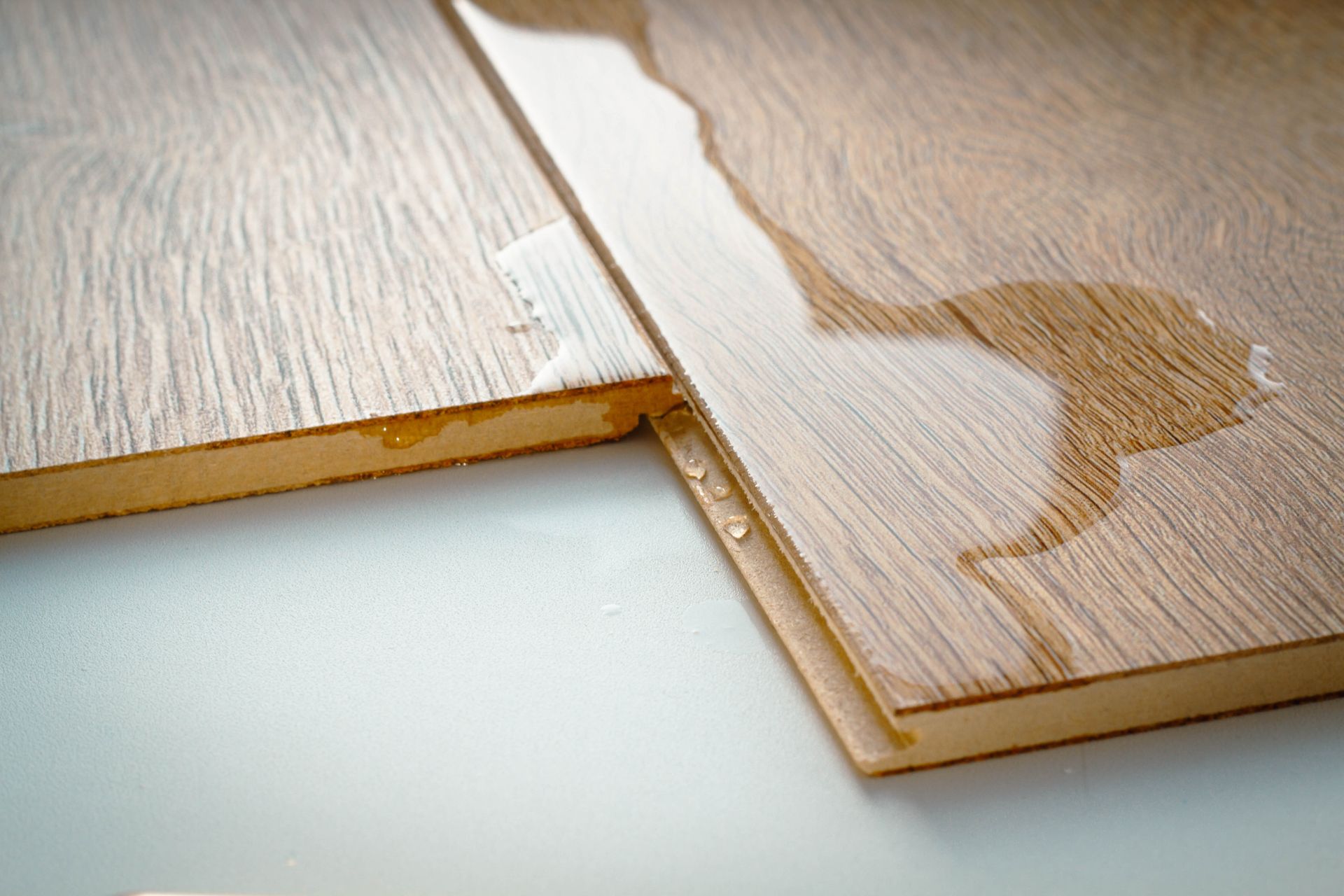
Wood left untreated absorbs water during rain, swells and contracts with temperature changes, and breaks down as UV light degrades surface fibers—within three to five years, you'll see checking, splintering, and rot starting at ground contact points or wherever water pools. Sealing stops this cycle by filling the wood's porous structure so moisture stays on the surface where it evaporates instead of soaking deep into the grain. CAW Painting and Preservation applies wood sealers in Cincinnati after cleaning and moisture testing to confirm the substrate is ready for product penetration.
The process begins with pressure washing or chemical cleaning to remove dirt, mildew, and old failing coatings, followed by moisture meter testing to verify the wood has dried below fifteen percent moisture content—sealing wet wood traps water inside and causes the coating to peel within months. Product selection depends on whether you want a natural wood appearance, a tinted stain that adds color while showing grain, or an opaque finish that hides imperfections. Penetrating sealers soak into the wood and protect from within, while film-forming finishes sit on top and require more frequent maintenance.
Schedule a wood assessment to determine current moisture levels and what sealing approach matches your maintenance preferences.
How Wood Sealing Addresses Deterioration
Sealing works by displacing air in the wood's cellular structure with a water-repellent compound, which blocks liquid moisture while still allowing vapor to escape so the wood can breathe. This prevents the swelling and shrinking that opens cracks along the grain and at joints where water intrusion accelerates rot. UV inhibitors in quality sealers slow the breakdown of lignin, the natural polymer that holds wood fibers together, which delays the gray weathering and surface erosion that eventually compromise structural strength.
Once sealed, wood sheds water visibly—rain beads up instead of darkening the surface—and the material stays dimensionally stable through seasonal humidity swings. Surfaces feel smooth rather than rough and splintered, colors stay closer to the original tone instead of fading to gray, and you won't see black mildew stains forming in shaded areas. Properly sealed wood maintains its load-bearing capacity and appearance for eight to twelve years before reapplication is needed, compared to three years or less for untreated wood in the same environment.
The service covers cleaning, moisture testing, and sealer application but does not include replacement of wood that's already rotted or structurally compromised—those boards must be swapped out before sealing begins. Reapplication intervals depend on sun exposure, how much foot traffic the surface receives, and whether horizontal surfaces allow water to pool.
Common Questions About This Service
Wood sealing raises questions about product choice, timing, and how the results differ from staining or painting. These answers help clarify what you're getting and what maintenance to expect.
What's the difference between sealing, staining, and painting wood?
Sealing protects without adding color or hiding grain, staining adds pigment while allowing texture to show through, and painting creates an opaque film that completely covers the wood—each offers different levels of protection and changes appearance differently.
How long does wood sealer last on a deck or fence?
Horizontal surfaces like decks typically need resealing every two to three years because standing water and foot traffic wear through the coating faster, while vertical surfaces like fences last four to six years before reapplication is required.
When is the best time to seal exterior wood?
Seal during dry weather when temperatures stay between fifty and ninety degrees for at least forty-eight hours after application, which allows the product to penetrate fully and cure without moisture interference—in Cincinnati, late spring and early fall offer the most consistent conditions.
Why does some sealed wood still turn gray or develop mildew?
Inadequate surface cleaning leaves contaminants that block sealer penetration, applying product to wet wood prevents proper absorption, or choosing a sealer without UV inhibitors allows sun damage to continue breaking down surface fibers despite water protection.
What should I look for to know the wood needs resealing?
Water no longer beads on the surface and instead soaks in and darkens the wood, surface feels rough instead of smooth, or you notice early checking and splintering starting to form along the grain.
CAW Painting and Preservation tests moisture content and evaluates wood condition before recommending sealing products and application timing. Set up a consultation to review your specific wood surfaces and discuss finish options that balance appearance with long-term durability.