Coatings That Prevent Damage Before It Starts
Surface Protection & Preservation in Cincinnati for properties where moisture, UV exposure, and wear threaten long-term structural integrity
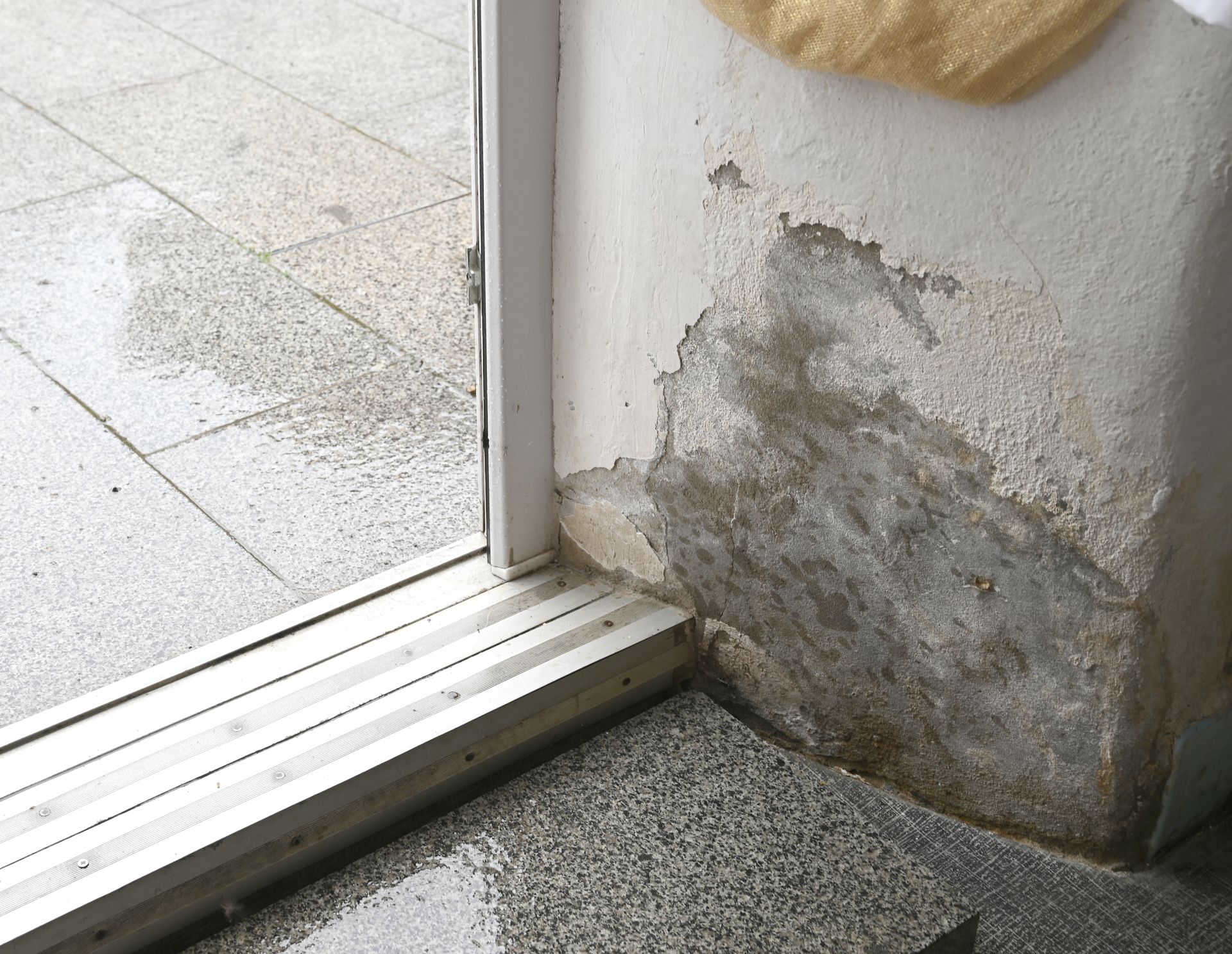
Unprotected surfaces deteriorate gradually until damage becomes expensive to reverse—wood rots from trapped moisture, concrete cracks from freeze-thaw cycles, and metal corrodes when coatings fail. CAW Painting and Preservation applies protective systems in Cincinnati that address these failure patterns by sealing porous materials, blocking UV penetration, and creating barriers against water intrusion. This matters for any property owner managing exterior wood, concrete driveways, metal fixtures, or masonry that faces weather year-round.
The service includes surface cleaning to remove contaminants, moisture testing to confirm substrates are dry enough for coating adhesion, product selection based on material type and exposure level, and application of sealers or coatings that penetrate or form a film depending on what the surface needs. Different materials require different protection strategies—wood needs breathable sealers that allow vapor to escape while blocking liquid water, concrete benefits from penetrating sealers that fill pores without creating a surface film, and metal requires coatings that prevent oxidation.
Arrange an on-site evaluation to identify which surfaces need immediate protection and what coating systems match their exposure conditions.
What Surface Protection Actually Accomplishes
Protection systems work by changing how water, UV light, and contaminants interact with the substrate—sealers fill microscopic pores so moisture can't penetrate, UV inhibitors prevent sunlight from breaking down surface fibers, and topcoats create sacrificial layers that wear away instead of the material underneath. You're preventing the conditions that cause rot, cracking, and corrosion rather than waiting to repair damage after it becomes visible.
After application, you'll notice water beads and runs off instead of soaking in, surfaces stay cleaner because dirt doesn't embed in porous material, and colors resist fading through multiple seasons. Wood maintains its structural strength without swelling or cracking, concrete stops absorbing stains from oil or chemicals, and metal fixtures don't develop rust spots at fastener points. The protection extends the replacement timeline by years, often decades, depending on the material and exposure level.
The process doesn't repair existing structural damage—rotted wood, deep concrete cracks, or corroded metal must be replaced before coating application. Protection systems also require reapplication at intervals based on wear and exposure, typically every three to seven years for exterior surfaces in high-stress environments.
Answers to Frequent Service Questions
Property owners often ask how protection differs from standard painting and when the investment makes sense. These answers clarify what the service includes and what changes over time.
What's the difference between sealing, coating, and waterproofing?
Sealing fills surface pores to reduce absorption, coating adds a protective film on top of the material, and waterproofing creates an impermeable barrier that stops all moisture movement—each addresses different exposure levels and material types.
How does surface protection save money compared to reactive repairs?
Preventing moisture intrusion stops rot and cracking before they require replacement of entire sections, which costs three to five times more than maintaining protective coatings every few years.
When should I apply protection instead of waiting for visible damage?
Apply protection as soon as new construction is complete, after stripping old failing coatings, or when surfaces show early warning signs like slight discoloration or minor surface checking before deep cracks form.
Why do some coatings fail within a year while others last a decade?
Failure happens when moisture is trapped under the coating during application, when surface prep doesn't remove contaminants that block adhesion, or when the wrong product is used for the substrate and exposure conditions.
How does Cincinnati's climate affect what protection system works best?
Freeze-thaw cycles require coatings flexible enough to move with substrate expansion, while summer humidity demands vapor-permeable systems on wood so trapped moisture can escape rather than causing the coating to bubble and peel.
CAW Painting and Preservation selects protection systems based on substrate material, exposure severity, and maintenance expectations. Contact us to review your property's specific surfaces and determine which coatings prevent the failure patterns most common in your situation.