Rooms That Function the Way You Need
Interior Remodeling in Cincinnati for homes where outdated layouts, worn finishes, or inefficient spaces limit daily use and comfort
Walls that cut off natural light, flooring that shows years of wear concentrated in high-traffic paths, and trim that's been painted over so many times the profiles are barely visible all signal that interior spaces haven't kept up with how you actually use your home. Interior remodeling with CAW Painting and Preservation in Cincinnati focuses on surface-level transformations and finish work that improve livability and appearance without structural demolition. This work addresses the visible and functional layers of a room—what you touch, see, and walk on daily.
The process moves from planning through demolition of old finishes, surface repairs to walls and substrates, and application of new materials that change how the space looks and performs. Rooms that benefit most include bathrooms where moisture has damaged finishes, kitchens where cabinets and surfaces are worn but structurally sound, and living spaces where outdated materials make the home feel decades older than it is.
Request a detailed estimate based on which rooms you want updated and the condition of existing finishes.
How Remodeling Addresses Finish and Function Issues
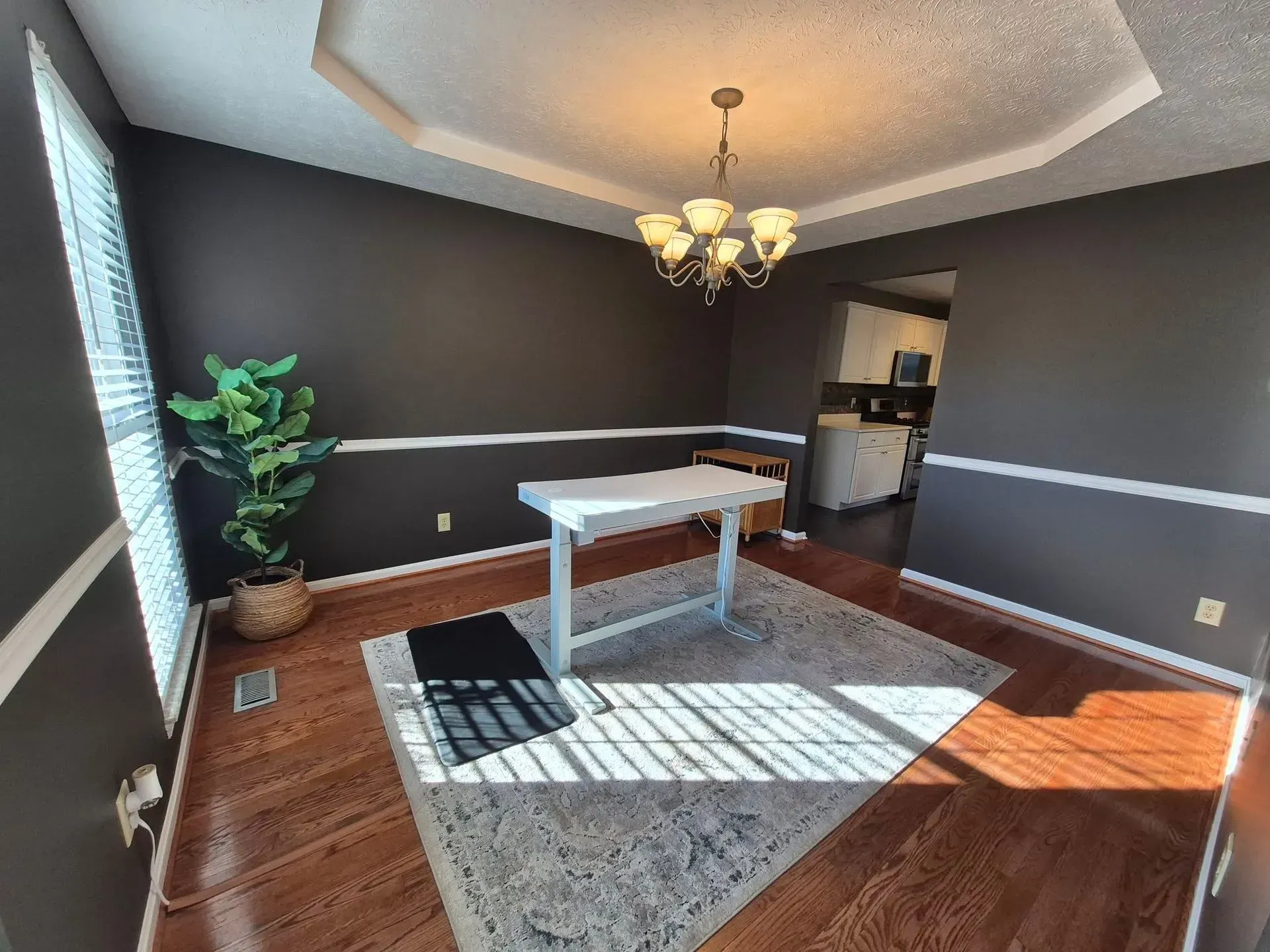
Remodeling starts with removing finishes that are damaged or outdated, then repairing the substrates underneath—patching drywall, leveling subfloors, replacing trim that's split or rotted from moisture exposure. Walls are prepped smooth, primed with products that block stains or odors from previous finishes, and coated with paints or textures that resist future wear. Floors receive new materials selected for the traffic and moisture conditions in that specific room.
Once complete, rooms feel brighter because walls reflect light evenly without patched-over damage showing through, floors no longer show wear patterns or surface damage from years of use, and trim appears crisp instead of layered over with buildup. Functionality improves in areas like bathrooms where waterproofing is addressed during the remodel, preventing the moisture problems that caused the original failure.
Deciding between partial updates and full remodels depends on whether the underlying structure and layout work for your needs or if only the finishes require replacement. Partial updates focus on repainting, refinishing, or replacing visible surfaces, while full remodels involve removing everything back to studs and subfloor to address hidden damage or reconfigure the space entirely. Budget, timeline, and how much disruption you can tolerate during the work all factor into which approach makes sense.
What Property Owners Usually Ask
Homeowners in Cincinnati planning interior updates often have questions about scope, timing, and return on investment.
What does interior remodeling include versus exclude?
This service covers finish removal, surface prep and repair, painting, flooring installation, and trim replacement, but does not include structural changes like moving walls, electrical or plumbing relocation, or HVAC modifications that require separate licensed trades.
How do I decide which rooms to remodel first?
Bathrooms and kitchens typically provide the highest return on investment because they're used multiple times daily and are scrutinized heavily by potential buyers, while living spaces offer the most noticeable change in daily comfort and appearance.
Why does prep work take longer than the actual finish application?
Most of the time in remodeling goes to removing old materials without damaging substrates, repairing underlying issues like water damage or cracked drywall, and creating smooth, level surfaces that allow new finishes to adhere properly and look clean.
When is it better to refinish existing materials versus replace them?
Refinishing works when the substrate is structurally sound but visually worn—cabinets with solid wood doors, hardwood floors with surface scratches, or trim that's intact but covered in old paint—while replacement is necessary when materials are warped, rotted, delaminated, or no longer functional.
What should I expect during the remodeling process in terms of access and disruption?
Rooms being remodeled are generally unusable during the work, with dust containment in place to limit spread to other areas, and the timeline depends on how much demolition and repair is required before new finishes can be applied.
CAW Painting and Preservation walks through your home to assess finish condition, underlying damage, and which updates will provide the most noticeable improvement in how the space functions and appears. Set up a property walkthrough to discuss your goals and develop a remodeling plan that fits your budget and timeline.