Finishes That Protect Without Altering Character
Historic Homes in Cincinnati for preserving original materials while improving weather resistance and durability
Aged wood siding, original plaster, and layered coatings from decades of repainting require preparation methods that clean and stabilize without damaging the substrate underneath. CAW Painting and Preservation works on historic properties where paint failure stems from moisture trapped behind impermeable films, inappropriate modern products applied over traditional oil-based coatings, or deteriorated wood that needs consolidation before new finishes are applied. The service area includes Cincinnati neighborhoods with homes dating to the late 1800s and early 1900s, where architectural details and original materials remain intact.
Surface preparation begins with testing existing coatings to identify lead-based paint, which dictates containment and disposal protocols during removal or stabilization. Loose or alligatored paint is removed using methods that don't gouge wood—typically carbide scrapers, heat guns at controlled temperatures, or chemical strippers for detailed millwork. Wood surfaces showing rot or checking receive epoxy consolidants that harden deteriorated fibers, and gaps in joinery are filled with materials that flex with seasonal wood movement rather than cracking loose after one winter.
Arrange a property evaluation to assess existing coating condition and determine which preparation method preserves original surfaces.
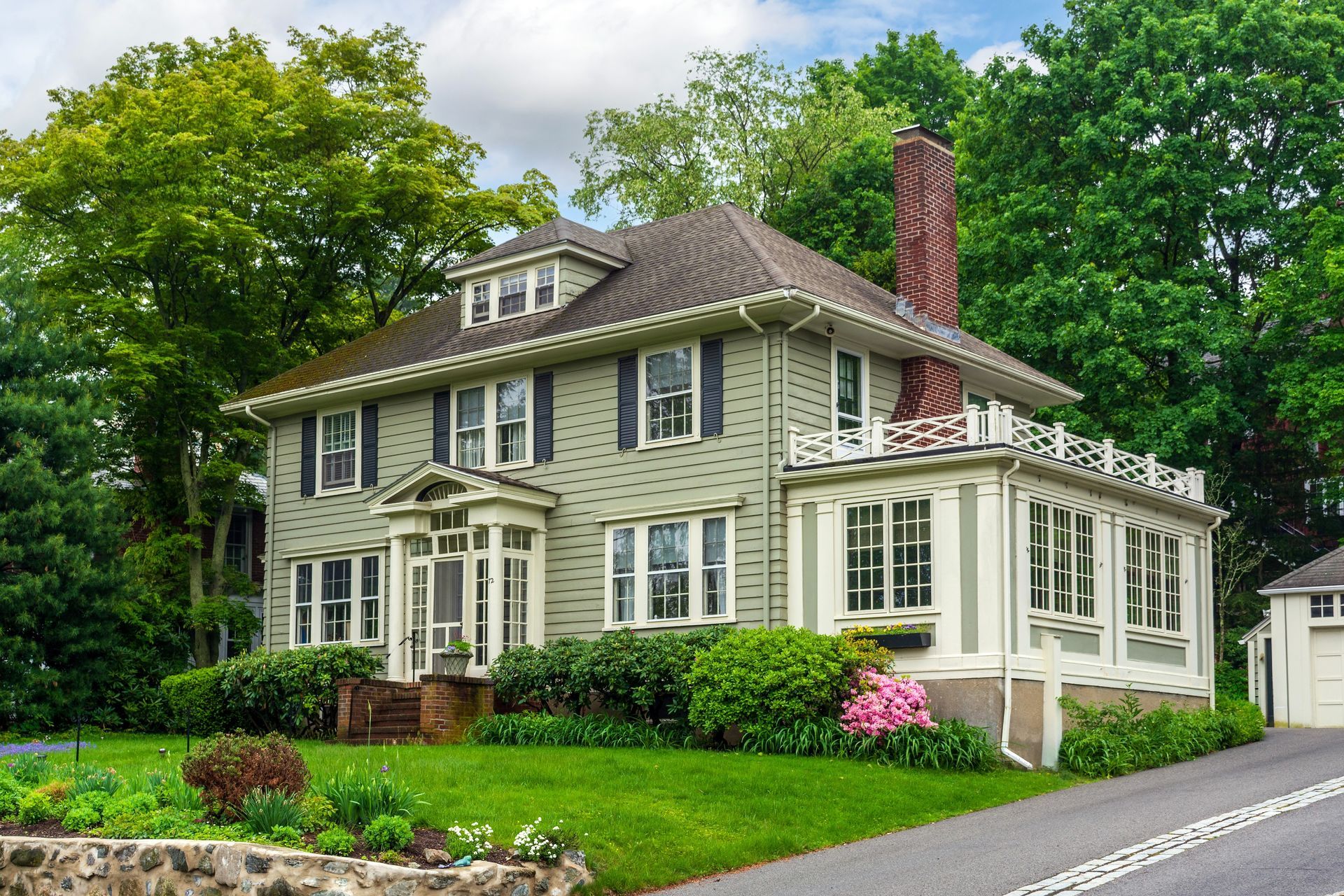
How Preservation Painting Addresses Long-Term Protection
Historic wood and plaster require primers and topcoats that allow moisture vapor transmission while blocking liquid water—modern elastomeric or impermeable films trap condensation and accelerate rot. Breathable oil-based or modified acrylic primers penetrate aged wood grain, and topcoats are selected based on substrate porosity and exposure severity. Detailed trim receives multiple thin coats rather than single heavy applications that obscure profile definition, and color matching references existing samples or historic paint analysis when original schemes are being restored.
Once completed, wood siding sheds water without trapping moisture behind the film, preventing the blistering and peeling common with inappropriate modern coatings. Plaster surfaces remain stable because primers are matched to alkalinity levels, and decorative millwork retains crisp shadow lines instead of softened profiles buried under thick paint buildup. Windows operate smoothly because sash and jamb surfaces are cleaned of paint drips and buildup that previously caused binding.
Lead-safe practices include containment systems, HEPA vacuuming, and certified disposal when testing confirms lead presence. Some projects involve partial paint removal to reduce buildup while leaving stable base layers intact, and others require full stripping where coatings have failed across large areas. Preparation timelines extend beyond standard repaints because proper stabilization cannot be rushed without damaging original materials.
Answers to Frequent Preservation Questions
Owners of older homes often need clarity on preparation requirements, product selection, and how to maintain architectural integrity during the painting process.
What preparation methods are safe for aged wood siding?
Carbide scrapers and low-temperature heat guns remove loose coatings without crushing wood fibers or scorching surfaces, while chemical strippers are used selectively on detailed millwork where mechanical methods would damage profiles.
How do you determine if lead-based paint is present?
Paint chips are tested using XRF analyzers or lab analysis, and any home built before 1978 is treated as lead-presumed until testing confirms otherwise, triggering containment and disposal protocols required under EPA regulations.
Why do modern paints fail on historic homes?
Impermeable acrylic or elastomeric coatings trap moisture vapor migrating through aged wood, causing blisters and delamination, whereas traditional oil-based or breathable formulations allow vapor transmission while blocking liquid water.
What is the difference between stripping and stabilizing existing paint?
Stripping removes all coating layers down to bare substrate, while stabilization scrapes loose or failing areas and feathers edges to create a sound surface for new coats, preserving stable base layers that still provide protection.
How does Cincinnati's freeze-thaw cycle affect historic wood surfaces?
Moisture absorbed into wood expands during freezing, and coatings without flexibility crack and peel, so topcoats are selected for elasticity and primers are chosen to penetrate and seal end grain where water infiltration begins.
CAW Painting and Preservation provides detailed assessments of existing coating condition and substrate stability before recommending preparation scope and product systems. Contact the team to schedule an on-site review of your historic property and receive a preparation plan tailored to your home's specific materials and condition.