Cabinets Refinished Without Replacement Costs
Kitchen Updates in Cincinnati for homes where cabinet boxes remain solid but doors and finishes look worn, outdated, or damaged from daily use
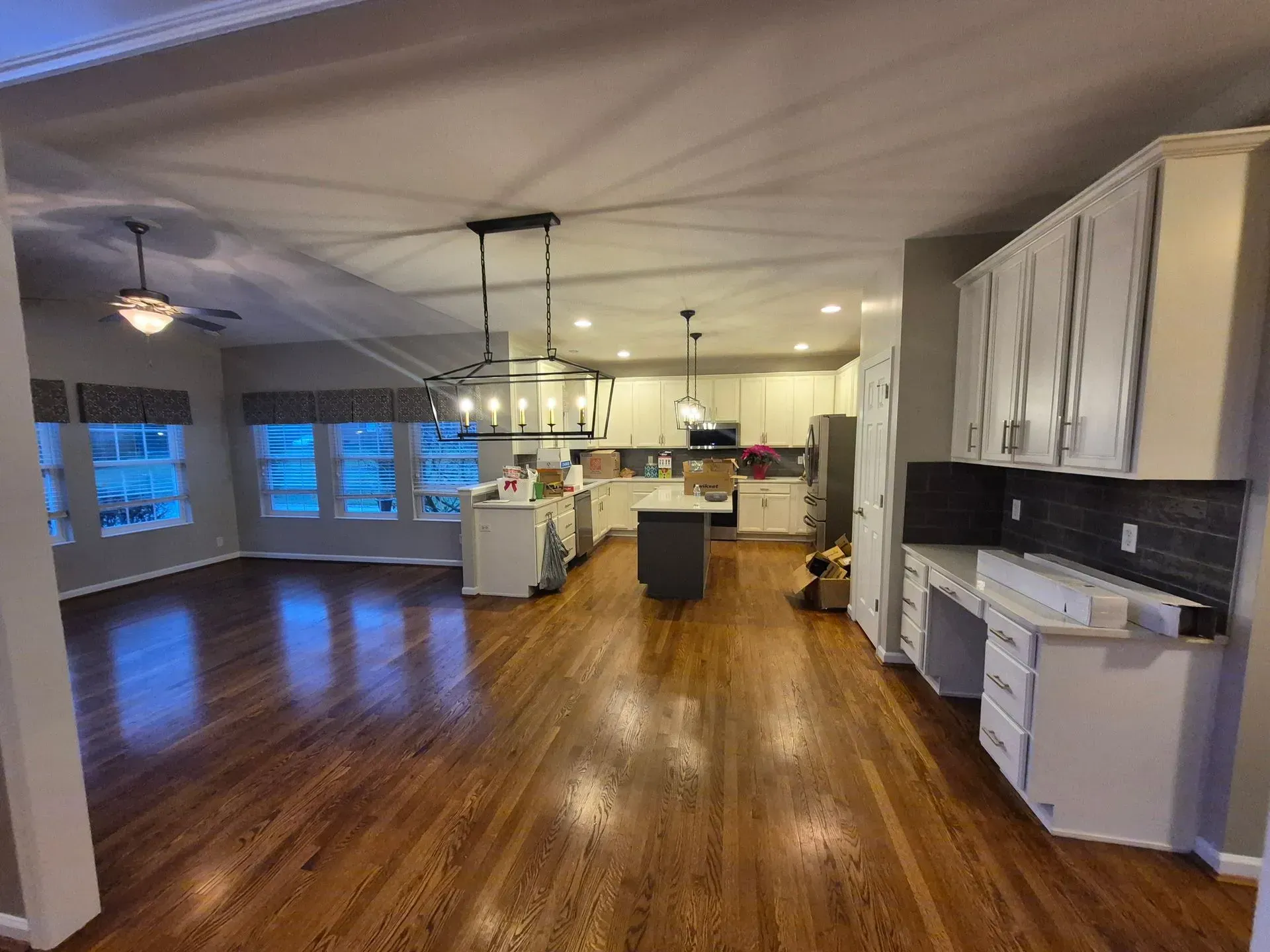
Cabinet doors with finish worn through to bare wood at handles, drawer fronts with chips along edges from years of opening and closing, and surfaces that no longer clean up even after scrubbing all indicate that the finish has failed while the underlying structure stays sound. Kitchen updates with CAW Painting and Preservation focus on refinishing and repainting cabinets, upgrading hardware, and improving surface finishes like backsplashes and trim rather than full kitchen reconstruction. This approach changes the appearance and functionality of the space at a fraction of the cost and timeline required for cabinet replacement.
The process includes cleaning and deglossing existing cabinet surfaces to remove grease buildup and prepare for new coatings, filling dings and scratches, applying primers that block stains and tannins from bleeding through, and topcoating with paints or clear finishes that resist moisture, grease, and the constant contact cabinets experience. Hardware is replaced or refinished, backsplash tile is installed or updated to modernize the look, and trim is repainted to match the new cabinet color scheme.
Request a detailed estimate to compare refinishing costs and timelines against cabinet replacement for your specific kitchen condition.
The Difference Between Refinishing and Replacing
Refinishing cabinets starts with removing doors and drawer fronts for off-site coating in a controlled environment, which produces smoother finishes than attempting to paint or spray in place where dust and humidity affect drying. Cabinet boxes are prepped and coated on-site, with interiors either cleaned and left as-is or coated depending on budget and desired outcome. Coatings are applied in multiple thin layers rather than single heavy coats, which prevents sags, allows proper curing, and builds a durable finish that resists chipping when doors close or items are placed on shelves.
Once refinishing is complete, cabinets look uniform in color without the discoloration and wear patterns that developed over years of use, surfaces clean easily because new finishes resist grease absorption, and hardware operates smoothly with updated hinges and pulls that don't stick or show corrosion. The kitchen appears updated without the construction debris, extended timeline, and full replacement cost of tearing out existing cabinets and installing new boxes.
Choosing refinishing versus replacement depends on cabinet construction and condition. Solid wood or plywood cabinets with dovetailed drawers and quality hinges are worth refinishing even if the finish is heavily worn, while particleboard boxes with delaminated surfaces or structural damage from water exposure typically aren't candidates for refinishing and need replacement. Budget and timeline also drive the decision—refinishing costs roughly one-third to one-half of replacement and takes days instead of weeks, but replacement allows layout changes and modern features that refinishing can't provide.
Questions Before Starting Your Project
Homeowners considering kitchen updates in Cincinnati often ask about process, durability, and how refinishing compares to other options.
What determines whether cabinets can be refinished or need replacement?
Cabinets are refinished if the boxes are structurally solid, doors aren't warped, and wood or plywood construction allows stripping and recoating, but replacement is necessary if particleboard has swelled from moisture, boxes are damaged or poorly constructed, or the layout no longer functions for your needs.
How does cabinet refinishing hold up compared to factory finishes?
Properly applied refinishing using catalyzed coatings or conversion varnishes creates a finish comparable in durability to factory-applied coatings, with resistance to moisture, grease, and impact that allows the finish to last years under normal kitchen use.
Why do some refinished cabinets start chipping or peeling within months?
Failures result from inadequate surface prep that leaves grease or silicone residue preventing adhesion, using interior paints instead of coatings designed for cabinetry, or applying finishes too thick in single coats that don't cure properly and remain soft under the surface.
When should backsplash and trim updates be done alongside cabinet refinishing?
Updating backsplash tile and repainting trim during cabinet refinishing creates a cohesive look and avoids the need to mask or work around newly refinished cabinets later, plus the kitchen is already out of service so additional updates don't extend disruption significantly.
What hardware upgrades make the most noticeable difference in kitchen function?
Soft-close hinges eliminate slamming and reduce stress on cabinet boxes and finish, undermount drawer slides improve accessibility and weight capacity compared to side-mount slides, and updated pulls in coordinated finishes tie the visual update together.
CAW Painting and Preservation assesses cabinet construction and finish condition to determine whether refinishing will deliver the durability and appearance you're expecting or if replacement makes more sense given the current state. Arrange an in-person review to examine your cabinets and walk through which updates will provide the best return for your budget and timeline.