Surfaces Built for Constant Exposure
Protective Coatings in Cincinnati for warehouses, manufacturing floors, and commercial facilities where standard paint fails under chemical contact, abrasion, or temperature extremes
Epoxy floor coatings chip and delaminate when forklifts turn sharply on them, standard wall paint softens when cleaning chemicals contact it repeatedly, and uncoated steel corrodes in environments with high humidity or salt exposure. CAW Painting and Preservation applies protective coating systems in Cincinnati designed for performance in industrial and commercial settings where surface failure creates safety hazards, contamination risks, or costly downtime. These aren't decorative finishes—they're engineered barriers between substrates and the conditions that degrade them.
Protective coatings include epoxy systems for concrete floors in high-traffic areas, corrosion-resistant primers and topcoats for metal structures exposed to moisture, fire-resistant intumescent coatings for steel beams that must meet safety codes, and chemical-resistant finishes for walls in processing or cleaning areas. The coating system is selected based on what the surface will contact, how often it's cleaned, and what temperature or impact stress it experiences daily.
Arrange an on-site consultation to review your facility's specific exposure conditions and performance requirements.
What Changes After Coating Systems Are Installed
Application involves surface preparation to the specified profile—shot blasting or diamond grinding for concrete, abrasive blasting for steel—because coating adhesion depends entirely on substrate cleanliness and texture. Epoxy and urethane systems are mixed at precise ratios and applied within limited working windows, then cured under controlled conditions to reach full chemical resistance and hardness.
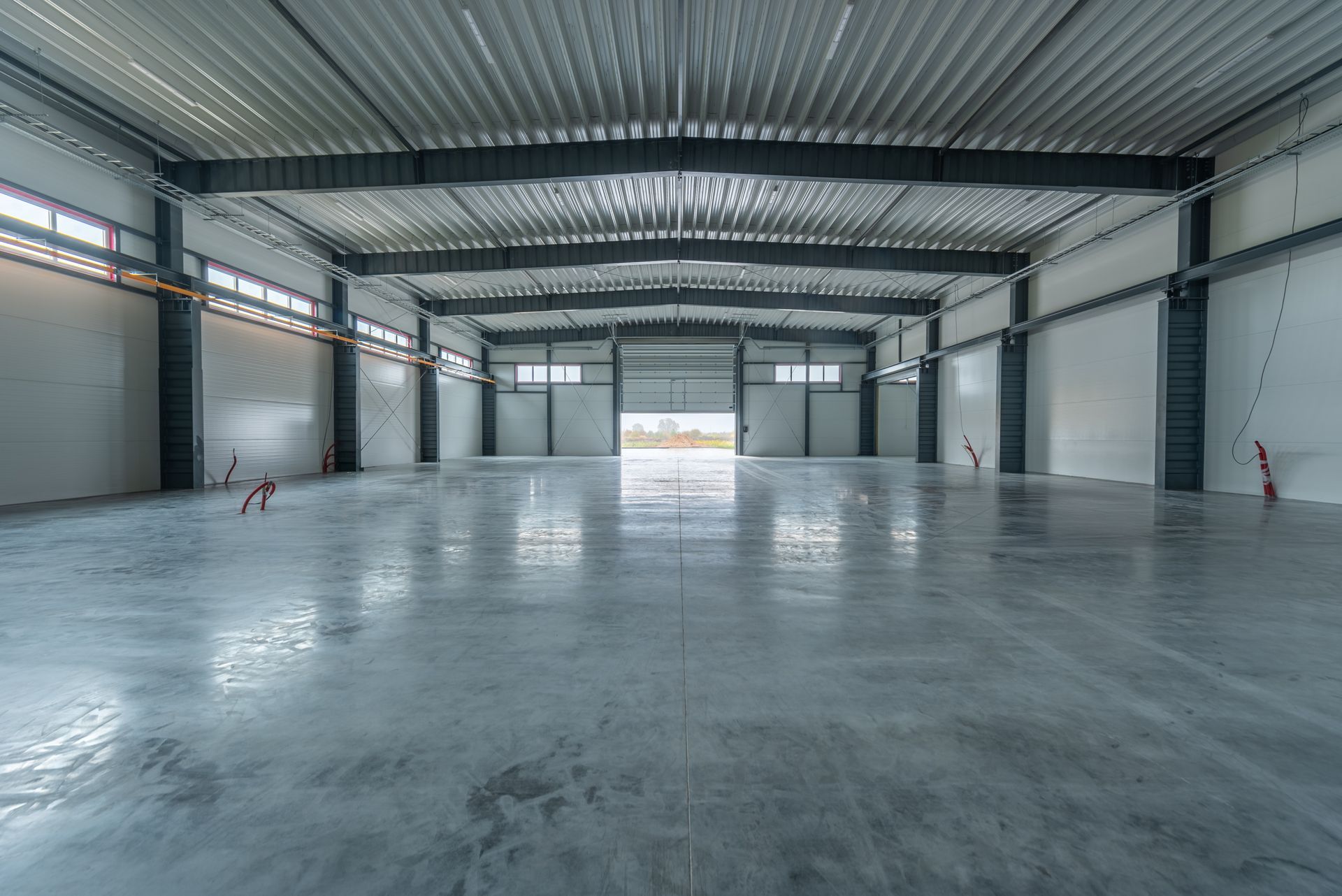
After curing, floors withstand forklift traffic and pallet dragging without gouging through to bare concrete, walls resist staining and degradation from repeated chemical cleaning, and metal surfaces remain free of rust even in humid or corrosive environments. Maintenance shifts from constant touch-up and recoating to simple cleaning, and surfaces that previously required replacement every few years now last a decade or longer under the same conditions.
Coating selection depends on factors like substrate type, exposure severity, and required downtime for application. Some systems cure within hours for fast turnaround, while others require longer windows but provide superior abrasion or chemical resistance. Fire-resistant coatings add measurable protection time in the event of structural fires and are often required to meet building code for exposed steel in commercial or industrial construction.
Common Questions About This Service
Facility managers and property owners in Cincinnati typically ask about coating durability, application timing, and performance differences between systems.
What makes epoxy coatings different from standard concrete paint?
Epoxy is a two-part thermoset system that chemically bonds to properly prepared concrete and cures into a hard, abrasion-resistant surface, while concrete paint is a single-component coating that sits on top of the surface and wears through quickly under mechanical stress.
How is surface preparation done before coating application?
Concrete is profiled using shot blasting, scarifying, or diamond grinding to remove contaminants and create the texture required for mechanical adhesion, while steel is abrasive blasted to white metal or near-white metal standards depending on the coating specification.
When should corrosion-resistant coatings be applied to metal structures?
These coatings are applied during new construction, after rust remediation on existing structures, or as preventive maintenance before corrosion begins in environments with high humidity, salt exposure, or chemical contact.
Why do some coatings fail prematurely in facilities?
Most coating failures result from inadequate surface preparation, application outside the manufacturer's temperature or humidity range, insufficient cure time before the surface is returned to service, or selecting a coating system not rated for the actual exposure conditions.
What industries benefit most from protective coating systems?
Warehouses with heavy forklift traffic, manufacturing facilities with chemical processing or cleaning operations, food production areas requiring sanitary wall finishes, and retail spaces with high foot traffic or frequent washdowns all see measurable cost reductions from properly specified protective coatings.
CAW Painting and Preservation evaluates substrate conditions, exposure factors, and performance requirements to match coating systems to actual facility demands. Schedule a facility assessment to determine which protective coatings will reduce maintenance costs and extend surface life in your specific environment.