Repairs That Preserve What's Already There
Surface Restoration in Cincinnati for damaged walls, peeling paint, and deteriorated surfaces that need correction before refinishing
When cracks spiderweb across plaster walls, water stains darken ceilings, or paint peels away in sheets exposing bare wood, the surface has failed in ways that block new coatings from bonding properly. CAW Painting and Preservation handles surface restoration in Cincinnati for properties where replacement costs exceed repair budgets and where original materials still offer structural integrity worth preserving. This work removes the visible damage while addressing the underlying causes that created the failure pattern.
Restoration corrects cracks through proper filling and reinforcement, treats water-damaged areas by sealing and stabilizing compromised material, removes peeling paint down to sound substrate, and addresses surface deterioration caused by age, moisture intrusion, or previous coating failures. The process includes patching voids, sanding uneven areas, sealing porous surfaces, and applying primer systems that create uniform adhesion across repaired and original material.
Arrange a surface evaluation to determine which areas can be restored and which require replacement due to structural compromise.
What Proper Surface Preparation Requires
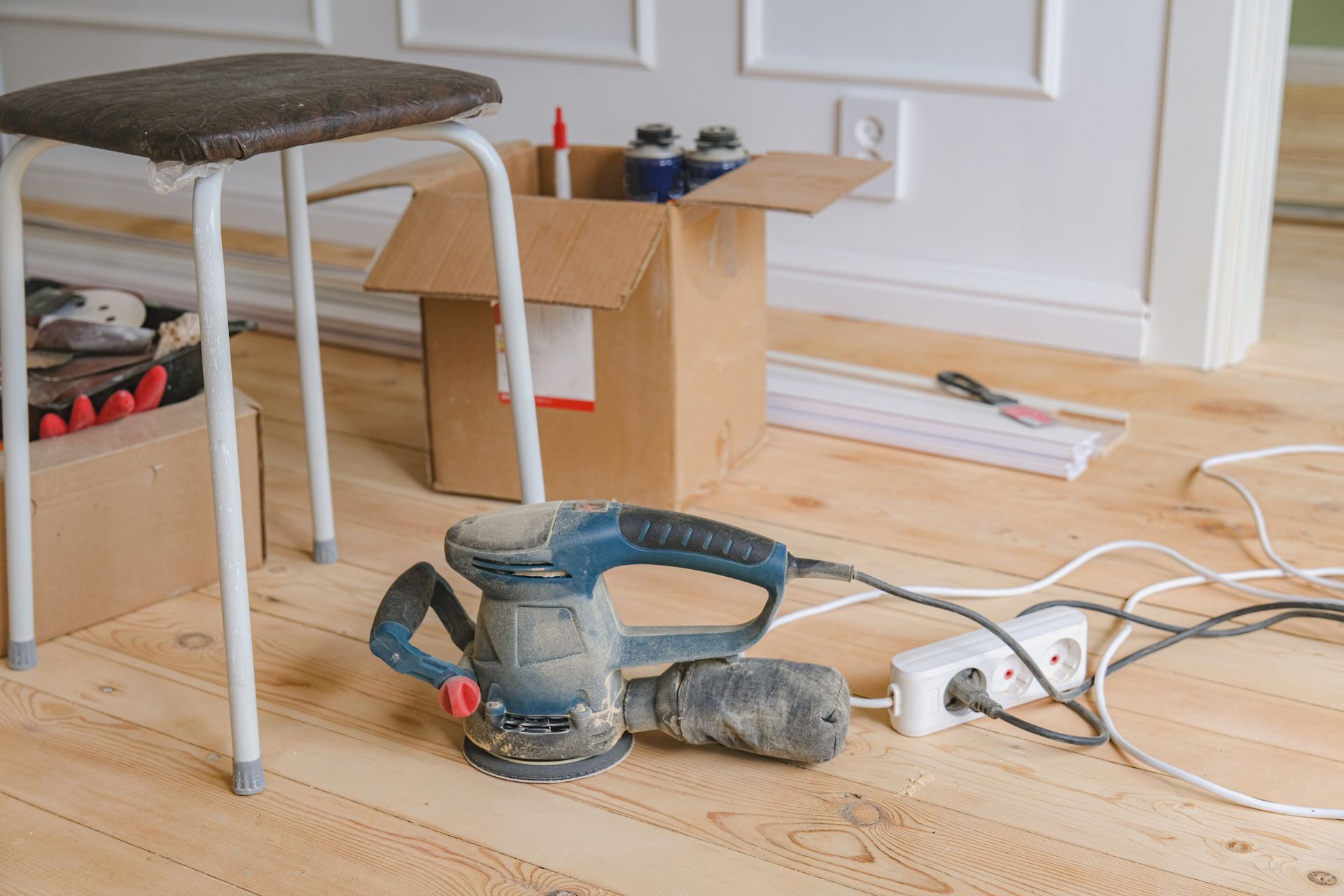
Surface restoration begins with identifying why the original coating failed—whether moisture penetrated from behind, incompatible products were layered together, or the substrate moved and cracked the finish. Repairs involve scraping loose material until only bonded surface remains, filling cracks with elastomeric compounds that flex with minor movement, and sealing stains with shellac-based blockers that prevent bleed-through into new topcoats.
Once completed, surfaces feel solid when pressed rather than spongy or hollow, stains no longer show through fresh primer, and previously cracked areas remain smooth without telegraphing texture through new paint layers. Walls that once flaked paint when touched now hold coatings that cure into durable, cleanable finishes.
This service bridges the gap between demolition and painting by salvaging surfaces that still offer years of performance when properly prepared, but it does not address active moisture problems or structural settling that continues to crack surfaces after repair—those issues require resolution before restoration work begins.
Common Questions About This Service
Clients often want to understand the difference between surface restoration and full replacement, and what determines whether damaged material can be saved.
What types of damage can be restored versus what needs replacement?
Hairline cracks, surface peeling, water stains on solid substrate, and shallow gouges respond well to restoration, while rot, crumbling plaster, active mold growth, and structural damage require removal and replacement of affected material.
How does water damage get treated during restoration?
Water-stained areas are tested for moisture content, dried completely if still damp, treated with stain-blocking primers that prevent tannin bleed, and sealed to prevent future moisture intrusion before finish coats are applied.
Why does peeling paint need complete removal in affected areas?
Paint peels because the bond between coating and substrate has failed, and any remaining loose material will continue lifting and spreading under new coatings, making thorough removal to sound edges essential for long-term adhesion.
What affects the cost of surface restoration work?
The extent of damage, accessibility of affected areas, the number of prep steps required to stabilize surfaces, and whether specialized primers or sealers are needed all influence labor time and material requirements in Cincinnati restoration projects.
How long do restored surfaces last compared to original installations?
Properly restored surfaces perform as well as original material when underlying failure causes are corrected, moisture is controlled, and appropriate primers create strong bonds between old and new materials.
Surface restoration allows you to preserve existing materials while achieving finishes that perform like new installations, and CAW Painting and Preservation evaluates which surfaces qualify for repair treatment. Contact us to review damage patterns and discuss restoration options suited to your property's condition.